


MARIANAS COMMEMORATES SUGARCANE ERA WITH MATSUE EXHIBIT, JOURNEY RUN
Saipan, Northern Mariana Islands (NMI) — This month, the Marianas will commemorate a significant chapter of its rich history—the vibrant sugarcane industry that flourished in the early 1900s during the Japanese administrative era. The commemoration features two major events: a special exhibition honoring Haruji Matsue, the legendary “Sugar King,” and the Saipan Sugarcane Railroad Journey Run 81KM, which follows the historic railway route that once crisscrossed Saipan.
The Haruji Matsue (Sugar King) 150th Birthday Commemoration Saipan Special Exhibition will be open to the public at the Northern Mariana Islands Museum of History & Culture in Garapan from Jan. 15 to 23, 2026. The exhibition will showcase rare artifacts and historical documents donated by the Sugar King Foundation and Matsue’s descendants.
“First and foremost, I would like to express my sincerest gratitude to the NMI Museum of History and Culture and the Marianas Visitors Authority (MVA) for hosting a special exhibition commemorating the 150th Birthday of my grandfather, Haruji Matsue, the Sugar King,” said Matsue’s grandson Saeki Keiichiro. “I hope that through this exhibition, visitors will gain a new understanding of the era when Saipan prospered with his sugar industry.”
To facilitate community attendance, the museum will waive its $4 entry fee for the duration of the exhibition.
“The economic boom of the sugarcane plantations is a great reminder of the Northern Mariana Islands’ potential for export and self-sustaining economic infrastructure,” said Museum Director Leni Leon. “Mr. Haruji Matsue, who was central to the success of the sugarcane plantation, with his vision and dedication to explore the potentials of the NMI, is a constant reminder of that possibility for ourselves.”
The Saipan Sugarcane Railroad Journey Run 81K will take place on January 17, 2026, bringing together 30 runners from Japan and the Marianas for an anticipated 10‑hour endurance challenge tracing the original sugarcane railroad course.
“Of the many challenges my grandfather faced, the most difficult was the construction of the 80-kilometer sugarcane railroad that once surrounded the island of Saipan,” said Saeki. “The construction work, which involved carving the cliffs of LaoLao Bay posed a particularly technical challenge for the railroad. I am sure that my grandfather, who would have been 150 years old on January 15, will be looking from heaven as the runners cross Laolao Bay where his sugarcane locomotives once ran.”
Matsue graduated at the top of his class and after further education, went on to develop a thriving sugar production industry in Japan and Taiwan before resolving to expand into the islands of the Pacific under Japanese administration. The islands of Saipan, Tinian and Rota in the Marianas were key parts of the expansion.
Both the journey run and the exhibition support the MVA’s mission to connect visitors with the authentic culture and history of the islands.
“What makes the Marianas Far From Ordinary is our rich and diverse culture and history, and the story of our 1900s sugarcane industry is a unique part of that,” said MVA Managing Director Jamika R. Taijeron. “This week is a reminder of our historic connection through Mr. Matsue to his hometown of Fukushima, as well as greater Japan. We hope everyone will have the opportunity to visit the 9-day exhibit or to cheer on our journey runners on Saturday.”
Taijeron added that the development of meaningful and authentic experiences, products, and services such as this week’s events are essential for the revival and long term sustainability of the Marianas tourism economy.
The NMI Museum of History & Culture is open weekdays from 9 a.m. to 4 p.m. and closed on weekends and holidays.
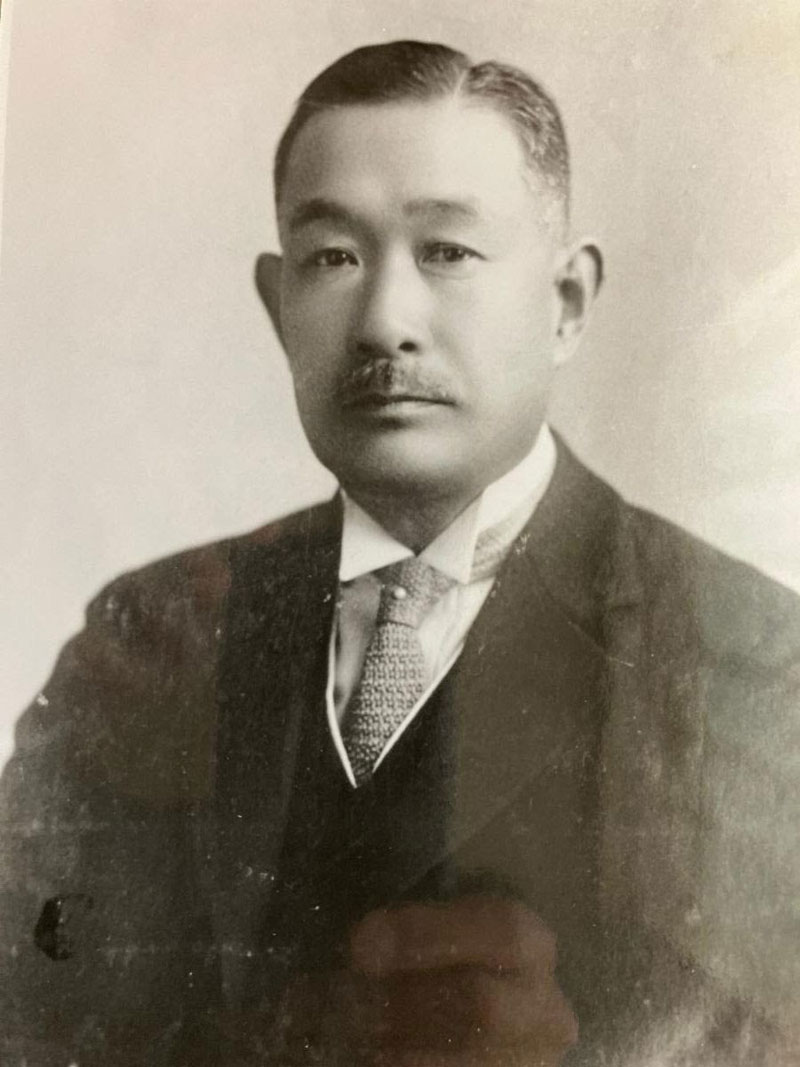
Haruji Matsue, the legendary “Sugar King” who developed a sugar production industry across Japan, Taiwan, and the Marianas. Matsue and the sugarcane industry era will be commemorated in the Marianas this month with an exhibit at the Northern Mariana Islands Museum of History & Culture from Jan. 15-23, 2026, and the Saipan Sugarcane Railroad Journey Run 81K on Jan. 17.

Oil painting by Itakura Eiji, a now 91-year-old Japanese artist who lived in Tinian, Marianas, during the sugarcane industry in the early 1900s. Itakura’s collection of period scenes from the Marianas will be part of the Haruji Matsue (Sugar King) 150th Anniversary Commemoration Saipan Special Exhibition at the Northern Mariana Islands Museum of History & Culture in Saipan from Jan. 15 to 23, 2026.
The Marianas is an archipelago of 14 islands - including Saipan, Tinian, and Rota - in the Western Pacific. The Marianas are home to indigenous Chamorro and Carolinian people, as well as over 20 different ethnicities from around the world who live and work in this harmonious tropical paradise. Ancient latte stone limestone monoliths, traditional nature-based ocean navigation not reliant on modern technology, and a culture seasoned by East and West influences are just a few of the experiences found in The Marianas, where pristine sea, sand, and skies are only a 3–4-hour flight from major Asian gateway cities. From Korea Republic, Jeju Air and T’Way provide direct flights to Saipan from Seoul-Incheon. United Airlines flies three times a week from Tokyo-Narita, Japan, and daily from Guam4. Hong Kong Airlines flies twice weekly from Hong Kong, China. Interisland travel between Saipan, Tinian, and Rota is provided by Star Marianas Air and Micronesian Air Connection Services. For more information on The Marianas. visit www.mymarianas.com, Facebook/VisitTheMarianas, or Instagram @themarianas.